

Is Your Child Ready to Read? 5 Signs to Look For

Reading is one of the most important skills a child will develop, and every child reaches reading readiness at their own pace. While some children begin showing signs of readiness as early as age three or four, others may need more time and support before they are prepared to learn how to read. Understanding the signs of reading readiness can help parents encourage literacy in a positive and stress-free way.
One of the best ways to support early literacy is by surrounding children with books and engaging stories. Reading together regularly helps children build language skills, expand their vocabulary, and develop a love of learning. Children’s book collections such as Lorin Lily Books provide opportunities for young readers to explore imagination, adventure, and curiosity while strengthening important literacy skills.
1. Your Child Shows Interest in Books
A strong sign of reading readiness is a genuine interest in books. Children who enjoy looking at pictures, turning pages, asking questions about stories, or requesting the same book repeatedly are developing positive associations with reading.
When children become excited about story time, they are building foundational skills that will support future reading success.
2. Your Child Recognizes Letters
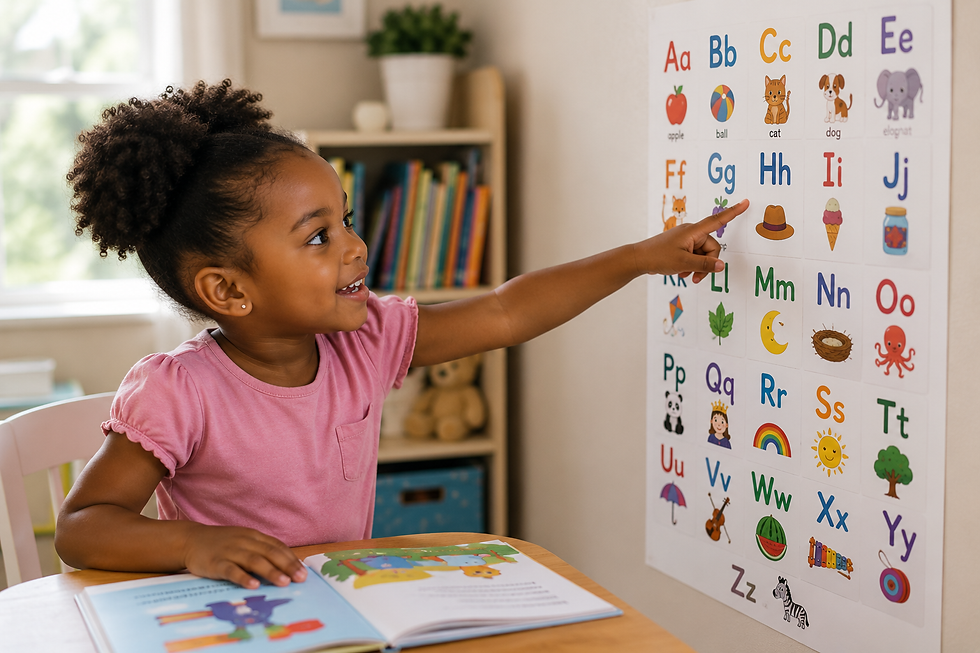
Before children learn to read words, they typically begin recognizing letters. They may point out letters on signs, identify letters in their name, or sing the alphabet song.
Letter recognition is an important early literacy skill because it helps children understand that letters represent sounds and form words.
3. Your Child Understands Rhyming and Sounds
Children who enjoy rhyming games, nursery rhymes, and songs are developing phonological awareness—the ability to hear and manipulate sounds in spoken language.
For example, a child may recognize that “cat,” “hat,” and “bat” rhyme or notice that two words begin with the same sound. These skills are strong indicators that a child is preparing to learn how to read.
4. Your Child Pretends to Read

Have you ever seen your child hold a book and tell a story from memory? This type of pretend reading is actually an important milestone.
Children who imitate reading are learning that books tell stories, that text carries meaning, and that pages are read in a specific order. These early concepts of print help prepare children for formal reading instruction.
5. Your Child Can Listen and Follow a Story
Reading requires concentration and comprehension. Children who can sit through a story, answer simple questions about what happened, and recall details are developing skills needed for reading success.
Listening comprehension often develops before reading comprehension, making it an important indicator that a child is ready to begin learning to read independently.
How Parents Can Encourage Reading Readiness

If your child is showing some or all of these signs, there are many ways you can support their literacy journey:
● Read together every day.
● Visit your local library regularly.
● Provide access to age-appropriate books.
● Sing songs and nursery rhymes.
● Play letter and sound recognition games.
● Encourage storytelling and imaginative play.
Most importantly, keep reading fun and enjoyable. Children who associate books with positive experiences are more likely to develop lifelong reading habits.
Final Thoughts

Every child develops at their own pace, and reading readiness looks different for everyone. By watching for these early signs and creating a literacy-rich environment, parents can help children build the confidence and skills needed for reading success. Whether through bedtime stories, library visits, or engaging books like those offered by Lorin Lily Books, every reading experience helps lay the foundation for a lifetime of learning.
References
American Academy of Pediatrics. (2014). Literacy Promotion: An Essential Component of Primary Care Pediatric Practice. Pediatrics, 134(2), 404–409.
National Institute for Literacy. (2008). Developing Early Literacy: Report of the National Early Literacy Panel.
U.S. Department of Education. (2024). Helping Your Child Become a Reader.
American Library Association. (2023). Every Child Ready to Read® Toolkit.
National Association for the Education of Young Children (NAEYC). (2024). Developmentally Appropriate Practice and Early Literacy Development.


Comments