

The Benefits of Children Reading Physical Books
Updated: Jun 18
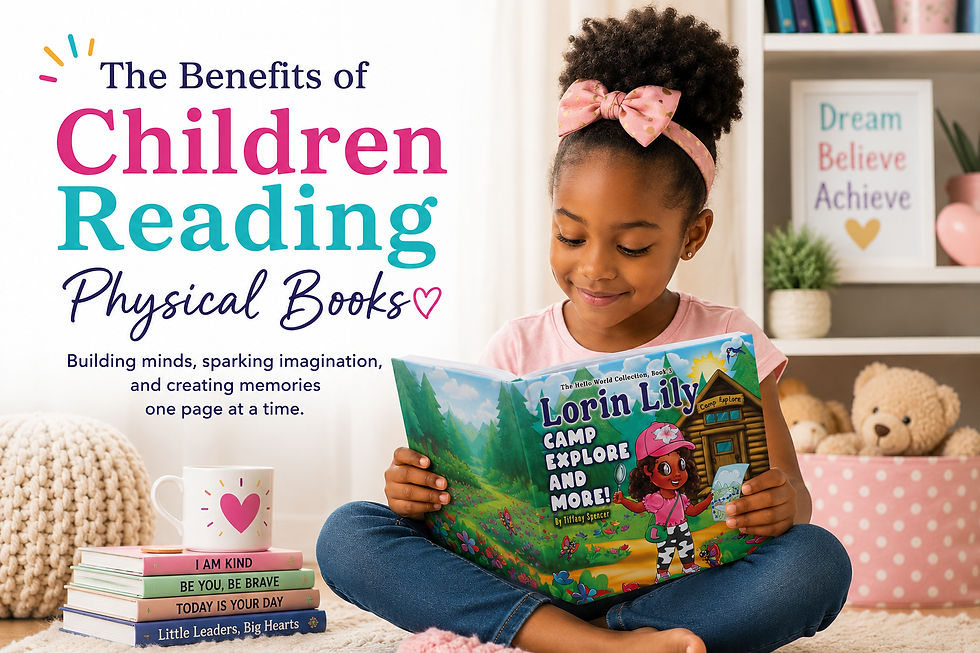
In today’s digital world, children are surrounded by screens. Tablets, phones, televisions, and electronic devices are now part of everyday life for many families. While technology can offer educational benefits, there is still something special and powerful about children reading physical books. Turning pages, holding a book in their hands, and connecting with colorful illustrations creates an experience that supports learning and development in meaningful ways.
Physical Books Help Improve Focus and Attention
Reading physical books helps children slow down and focus on one activity at a time. Unlike digital devices that often include notifications, advertisements, games, or other distractions, printed books encourage children to stay engaged with the story. This focused reading experience helps strengthen concentration and attention span, which are important skills for academic success and everyday learning.
Children who regularly read physical books also tend to spend more time interacting with the story itself rather than quickly scrolling through content. The ability to sit quietly and enjoy a story helps develop patience, imagination, and critical thinking skills.
Reading Printed Books Supports Better Comprehension
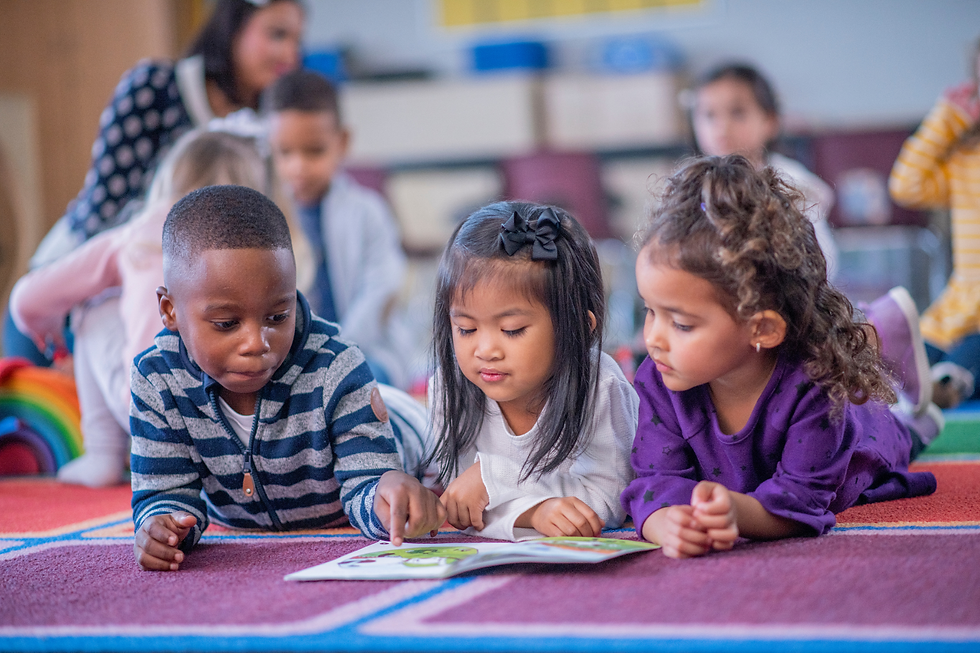
Research has shown that many children understand and remember information better when reading from printed books instead of screens. Physical books provide a more hands-on and sensory reading experience. Children can visually track their progress through the story, flip back to previous pages, and better absorb details from the text and illustrations.
This deeper connection to the story can improve reading comprehension, vocabulary development, and memory retention. For young readers especially, physical books help create stronger associations between words, pictures, and storytelling.
Physical Books Encourage Family Bonding
One of the greatest benefits of physical books is the opportunity they create for quality family time. Reading together allows parents, grandparents, caregivers, and siblings to connect through storytelling. Snuggling together with a favorite bedtime story creates lasting memories and helps children associate reading with comfort, love, and joy.
Shared reading also supports emotional development. Children often ask questions, discuss characters, and express feelings while listening to stories. These conversations strengthen communication skills and help children better understand emotions and social situations.

Books Help Spark Imagination and Creativity
Physical books encourage children to use their imagination in ways that screens often cannot. As children listen to or read stories, they begin visualizing characters, settings, and adventures in their minds. This imaginative thinking helps support creativity, problem-solving, and emotional growth.
Bright illustrations and engaging stories can inspire children to dream, explore, and become curious about the world around them. Books also introduce children to different cultures, experiences, and perspectives, helping build empathy and understanding from an early age.
Physical Books Reduce Screen Fatigue
Many children already spend significant amounts of time using screens for entertainment and education. Reading printed books offers a healthy break from digital exposure. Excessive screen time can contribute to eye strain, sleep difficulties, overstimulation, and reduced physical activity. Physical books provide a calming alternative that supports relaxation and healthy reading habits. According to the American Academy of Pediatrics (2020), balancing screen use with activities like reading can support healthier child development.
Reading before bedtime with a printed book can also help children wind down more effectively than using electronic devices, which often emit blue light that may interfere with sleep.

Building a Lifelong Love for Reading
When children have access to engaging, diverse, and age-appropriate physical books, they are more likely to develop a lifelong love for reading. A home or classroom filled with books creates an environment where literacy is valued and encouraged.
Children benefit greatly from seeing themselves represented in stories while also learning about others. Diverse books that celebrate kindness, imagination, confidence, and inclusion help children feel seen, valued, and inspired.
At Lorin Lily Books LLC, we believe physical books play an important role in helping children grow academically, emotionally, and creatively. Our stories are designed to encourage imagination, joy, kindness, and representation while creating meaningful reading experiences for children and families.

Final Thoughts
Technology will continue to play a role in education and entertainment, but physical books remain an essential part of childhood learning and development. Reading printed books helps children improve focus, strengthen comprehension, spark creativity, reduce screen time, and build stronger family connections.
Most importantly, books help children discover the magic of storytelling — one page at a time.
Shop children’s books that inspire imagination, kindness, and confidence at Lorin Lily Books LLC.
Reference
American Academy of Pediatrics. (2020). Beyond screen time: How media use can affect your child. HealthyChildren.org


Comments