

How Reading Aloud Builds a Love of Reading in Kindergarteners
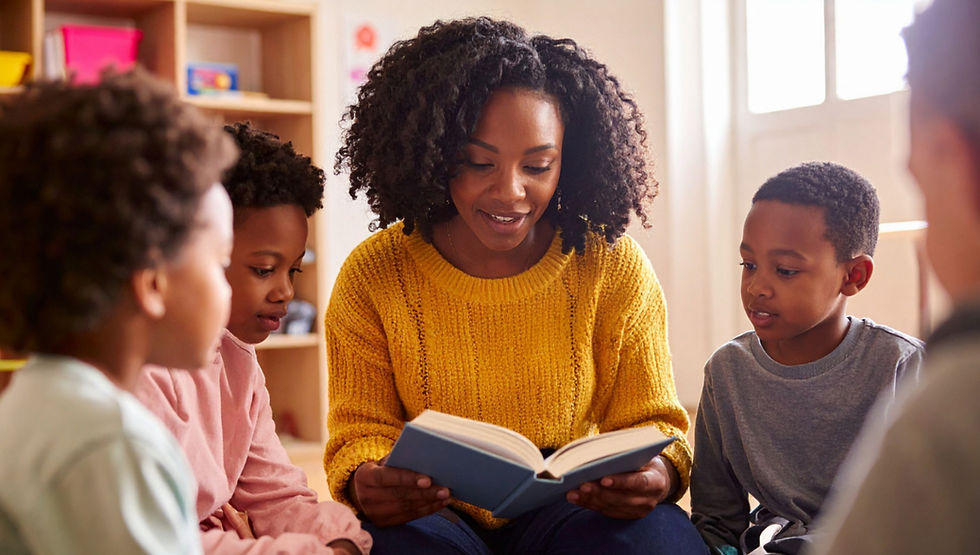
Reading aloud to kindergarten students is one of the most powerful ways to help children develop language skills, imagination, and a lifelong love of books. At this age, children are curious, energetic, and eager to explore the world around them. The right read-aloud children’s books capture their attention, introduce new vocabulary, and encourage meaningful conversations.
Whether you are a parent, teacher, or caregiver, choosing engaging books from lorinlilybooks.com can make story time a special and memorable experience.
Why Read-Aloud Books Matter in Kindergarten
Reading aloud provides many benefits for young learners. When children listen to stories, they begin to understand how language works and how stories are structured.
Some key benefits include:
Improved vocabulary and language development
Better listening and comprehension skills
Increased imagination and creativity
Stronger emotional and social understanding
A positive connection to reading
Children who are regularly read to often develop stronger literacy skills and feel more confident when they begin reading on their own.
What Makes a Good Read-Aloud Book for Kindergarten?

Kindergarten children respond best to books that are interactive, colorful, and easy to follow. A great read-aloud book usually includes:
Engaging illustrations
Bright and expressive pictures help children stay focused and understand the story.
Simple but meaningful text
Short sentences and repetition allow children to follow along and participate.
Fun characters and adventures
Children love stories with animals, imaginative settings, and relatable characters.
Opportunities for interaction
Books that encourage children to predict what happens next or repeat phrases help keep them engaged.
Tips for Reading Aloud to Kindergarten Students
Reading aloud is more than simply reading the words on the page. Making story time interactive helps children stay involved and excited.
Try these simple techniques:
Use different voices for characters. This makes the story more entertaining and helps children understand who is speaking.
Ask questions during the story. For example, ask children what they think will happen next or how a character might feel.
Let children observe the illustrations. Pictures often tell part of the story and help children make connections.
Encourage participation. Allow children to repeat phrases or sound effects from the story.

Creating a Positive Reading Routine
Consistency helps children develop strong reading habits. Try to make read-aloud time part of a daily routine, whether it happens at bedtime, in the classroom, or during quiet time.
A comfortable reading space with colorful books and cozy seating can make story time something children look forward to every day.

Inspiring Young Readers
Books have the power to inspire curiosity, kindness, and creativity. When kindergarten students hear engaging stories, they begin to see reading as an adventure rather than a task.
By sharing meaningful stories and spending time reading together, parents and teachers can help children build confidence, imagination, and a lifelong love for books.
At Lorin Lily Books, our stories are designed to spark curiosity, encourage exploration, and make reading fun for young learners everywhere.
Explore the Lorin Lily Books collection at LorinLilyBooks.com.

Comments