

How a Reading-Free Environment Affects Children’s Learning and Development: Why Reading Matters More Than Ever
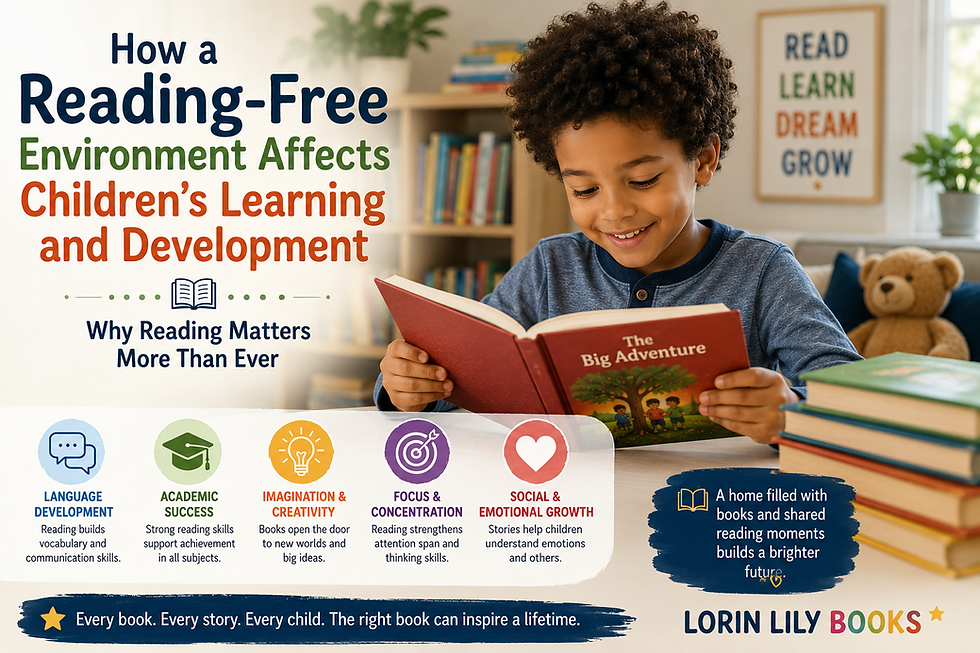
Children learn and grow through the experiences they encounter every day. One of the most important influences on a child’s development is exposure to books, stories, and literacy activities. When reading is largely absent from a child’s daily life, it can create what educators often refer to as a reading-free environment. While many families value education, busy schedules, excessive screen time, and limited access to books can unintentionally reduce opportunities for reading. Understanding the impact of a reading-free environment can help parents and caregivers make small changes that support a child’s learning and development.
What Is a Reading-Free Environment?
A reading-free environment is a setting where children have little exposure to books, storytelling, shared reading experiences, or other literacy-rich activities. In these environments, children may rarely see adults reading, have few books available at home, or spend most of their leisure time engaged in activities that do not involve reading.
Reading-free environments are becoming increasingly common as digital entertainment competes for children’s attention. While technology has its benefits, it should not replace opportunities for children to interact with books and develop literacy skills.
The Impact on Language and Vocabulary Development
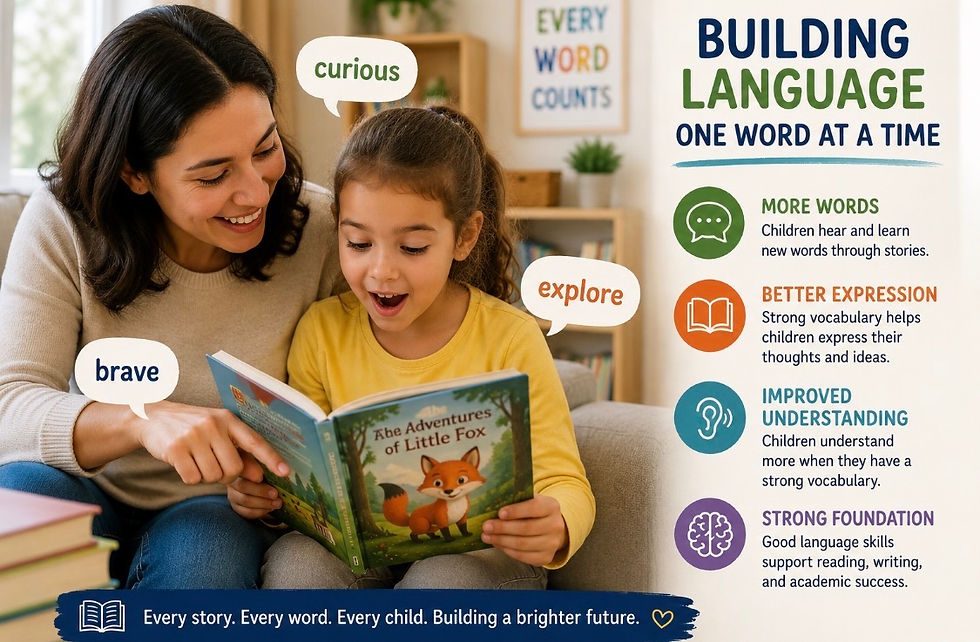
One of the earliest effects of a reading-free environment is reduced language exposure. Research shows that children who are regularly read to hear a wider variety of words and sentence structures than children who are not. This increased exposure helps build vocabulary, communication skills, and comprehension abilities.
When children have limited interactions with books, they may miss opportunities to learn new words, understand language patterns, and strengthen listening skills. These foundational skills are critical for future academic success.
Effects on Academic Achievement
Reading is the foundation for learning across nearly every subject. Children who struggle with reading often face challenges in science, social studies, and mathematics because these subjects require strong comprehension skills.
Studies have found that children who read frequently and for pleasure tend to perform better academically than those who read infrequently. A reading-free environment can place children at a disadvantage by limiting the development of skills needed to understand instructions, analyze information, and solve problems.
Impact on Imagination and Creativity
Books allow children to explore new worlds, cultures, and ideas. Through stories, children learn to imagine possibilities beyond their everyday experiences. Reading helps children develop creativity, curiosity, and critical thinking skills.
Without regular exposure to books, children may have fewer opportunities to exercise their imagination and engage in creative thinking. Stories encourage children to ask questions, explore possibilities, and think beyond what they can immediately see.
Effects on Attention and Concentration
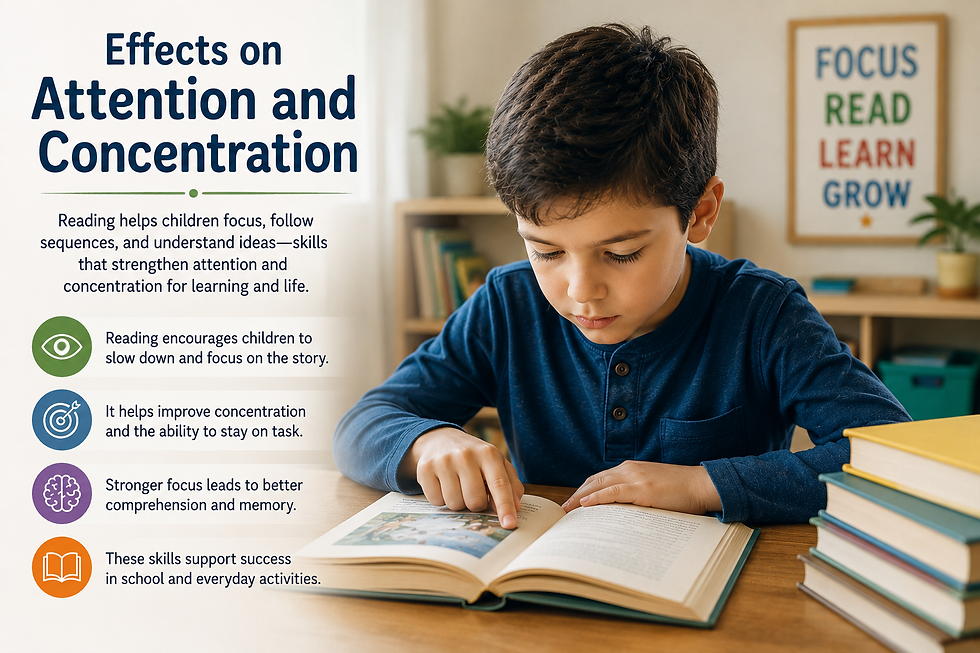
Reading requires children to focus, listen, and follow a sequence of events. These activities strengthen attention span and concentration skills. In contrast, fast-paced digital entertainment often provides constant stimulation that can make it more difficult for children to engage in sustained focus.
Regular reading experiences help children practice patience, concentration, and comprehension—skills that are valuable both inside and outside the classroom.
Social and Emotional Development
Stories help children understand emotions, relationships, and different perspectives. Books allow children to experience situations through the eyes of characters, helping them develop empathy and emotional awareness.
A reading-free environment may limit opportunities for these important social and emotional learning experiences. Reading together also strengthens bonds between children and caregivers by creating meaningful moments of connection.
Creating a Reading-Rich Environment
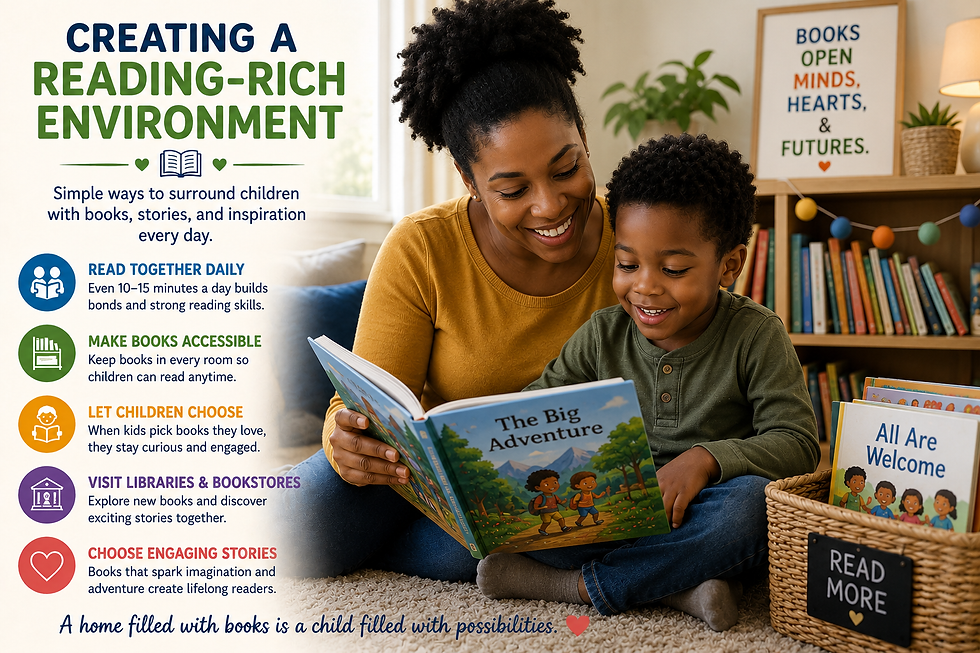
The good news is that a reading-free environment can be transformed into a reading-rich environment through simple, intentional actions.
Read Together Daily
Even 10 to 15 minutes of reading each day can have a positive impact on literacy development and family bonding.
Visit Libraries and Bookstores
Libraries and bookstores expose children to a wide variety of books and help them discover topics that spark their interest.
Make Books Accessible
Keep books in bedrooms, living rooms, and other common areas where children can easily reach them.
Let Children Choose Books
Children are more likely to read when they can select books that match their interests and curiosity.
Choose Engaging Stories
Books that encourage imagination, adventure, and exploration help children develop positive attitudes toward reading. Collections such as Lorin Lily Books provide wholesome stories designed to inspire curiosity, creativity, and a love of learning. Through engaging characters and memorable adventures, Lorin Lily Books encourages children to see reading as an exciting journey rather than a chore.
Final Thoughts
A reading-free environment can affect a child’s language development, academic performance, creativity, concentration, and social-emotional growth. However, it is never too late to make positive changes. By creating opportunities for daily reading, visiting libraries and bookstores, and surrounding children with engaging books, families can help build a strong foundation for lifelong learning.
Every story matters. Every book opened creates an opportunity to learn, imagine, and grow. The mission of Lorin Lily Books is to help children discover the joy of reading through meaningful adventures that inspire imagination, curiosity, and a love of books.
References
American Academy of Pediatrics. (2014). Literacy Promotion: An Essential Component of Primary Care Pediatric Practice.
National Early Literacy Panel. (2008). Developing Early Literacy: Report of the National Early Literacy Panel.
Organisation for Economic Co-operation and Development (OECD). (2021). Reading for Pleasure and Student Achievement.
American Library Association. (2023). The Importance of Reading Aloud and Family Literacy.
Scholastic Kids & Family Reading Report. (2023). Understanding Children’s Reading Behaviors and Habits.
Mol, S. E., & Bus, A. G. (2011). To Read or Not to Read: A Meta-Analysis of Print Exposure and Reading Outcomes.Psychological Bulletin, 137(2), 267–296.


Comments