

Why Children Confuse b and d (And How to Help)

Learning to read is an exciting journey, but some letters can be tricky, especially b and d. Because they look like mirror images, many young readers confuse them. The good news is that with a few simple strategies, practice, and patience, children can learn to recognize the difference with confidence.
Why b and d Get Mixed Up
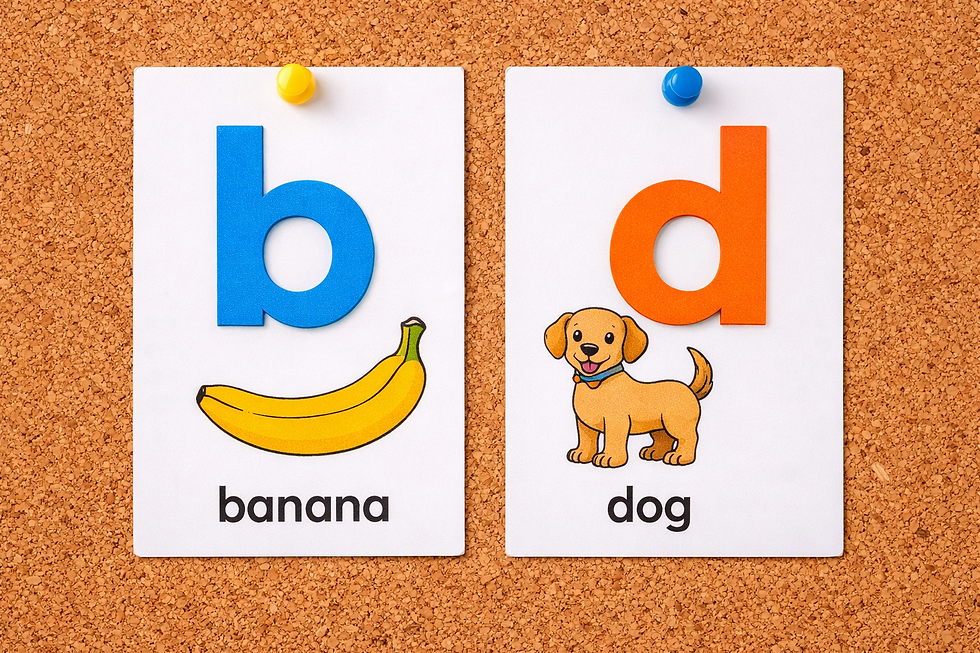
Both letters have a vertical line and a circle, but the direction of the circle changes:
b → the circle is on the right
d → the circle is on the left
Young readers are still developing visual tracking and directionality, so this confusion is completely normal.
Easy Tricks That Work
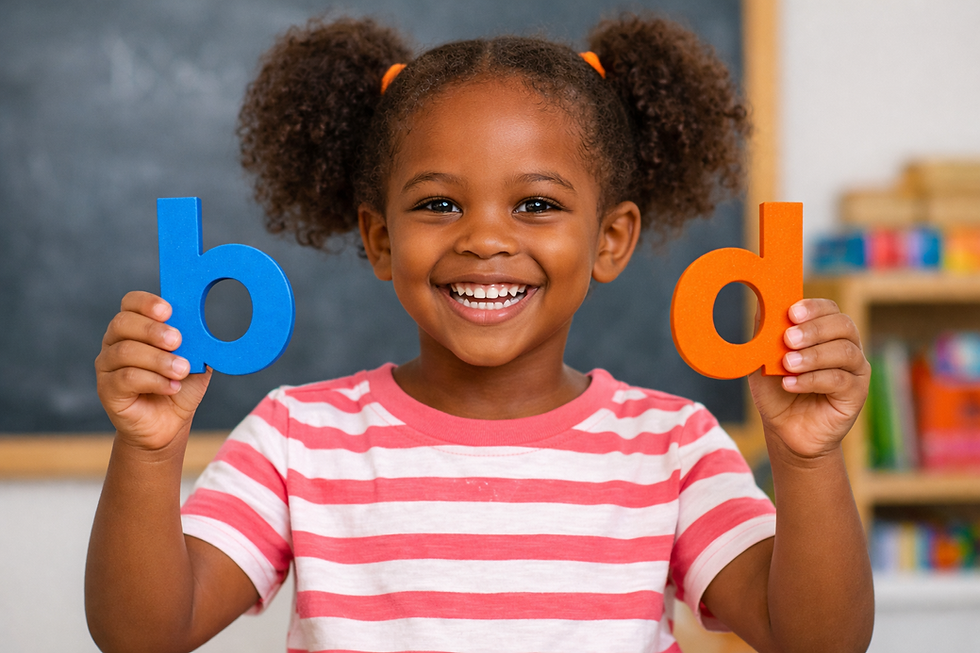
1. Use the “bed” Trick

One of the most popular and effective strategies is the “bed” trick.
Have your child:
• Hold up both hands in fists
• Thumbs pointing up
• Left hand forms b, right hand forms d
Together, they create the word bed.
This helps kids remember:
• b comes first
• d comes last
You can reinforce this with drawings or visuals showing a bed shape using the letters.
2. Connect Letters to Sounds and Words
Help your child anchor each letter to a familiar word:
• b is for bat, ball, banana
• d is for dog, drum, duck
Say the sounds out loud:
“/b/ /b/ bat”
“/d/ /d/ dog”
This builds a strong sound-letter connection, which is key for reading success.
3. Make It Hands-On
Children learn best by doing!
Try:
• Alphabet blocks
• Magnetic letters
• Writing letters in sand or shaving cream
Let your child touch, move, and build the letters. The more senses involved, the better they remember.
4. Practice Direction with Movement
A big difference between b and d is direction.
Teach:
• b = stick first, then belly
• d = circle first, then stick
You can even have your child:
• Trace letters in the air
• Use their finger to “draw” letters on a table
Movement helps lock in the correct formation.
5. Make It Fun with Games
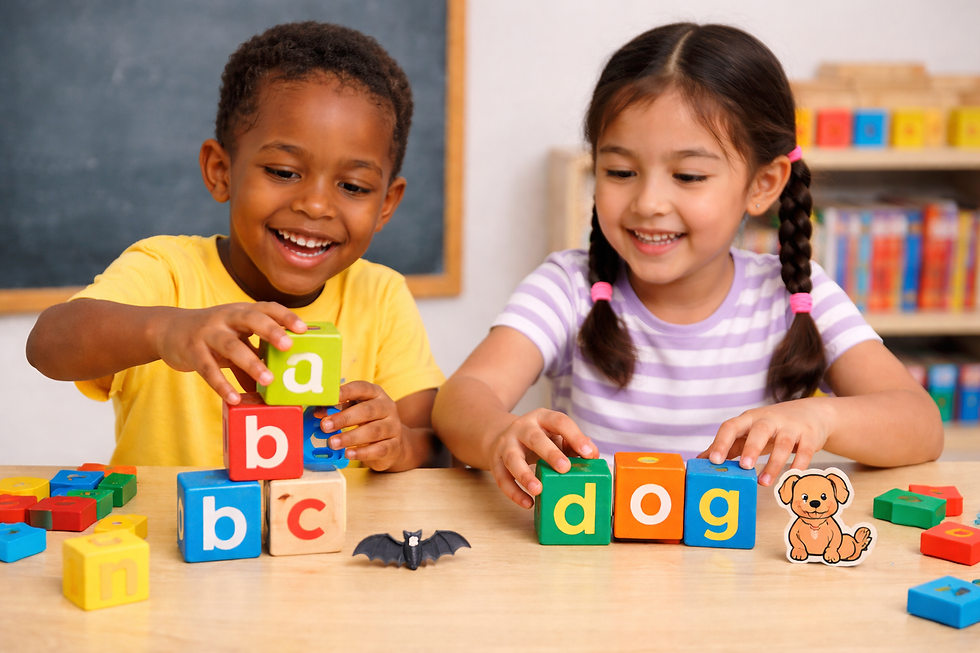
Turn learning into play:
• Sort letter cards into b and d piles
• Circle all the b’s on a worksheet
• Highlight d’s in a short story
• Build letters using blocks or playdough
The more interactive the activity, the more engaged your child will be.
6. Keep Practice Short and Positive
Avoid long, frustrating sessions. Instead:
• Practice for 5–10 minutes at a time
• Celebrate small wins
• Stay encouraging and patient
Confidence is just as important as correctness.
7. Read Books That Reinforce Letter Recognition

The best way to strengthen letter recognition is through engaging stories.
At Lorin Lily Books, our stories are designed to:
• Support early literacy skills
• Build confidence in young readers
• Make learning feel fun and natural
Explore stories that make learning fun at 👉 LorinLilyBooks.com
Remember...
Mixing up b and d is a normal part of learning to read, not a sign that something is wrong.
With consistent practice, playful strategies, and lots of encouragement, your child will master these letters in no time.
Every small step forward is a big win in your child’s reading journey


Comments